

Data Sets
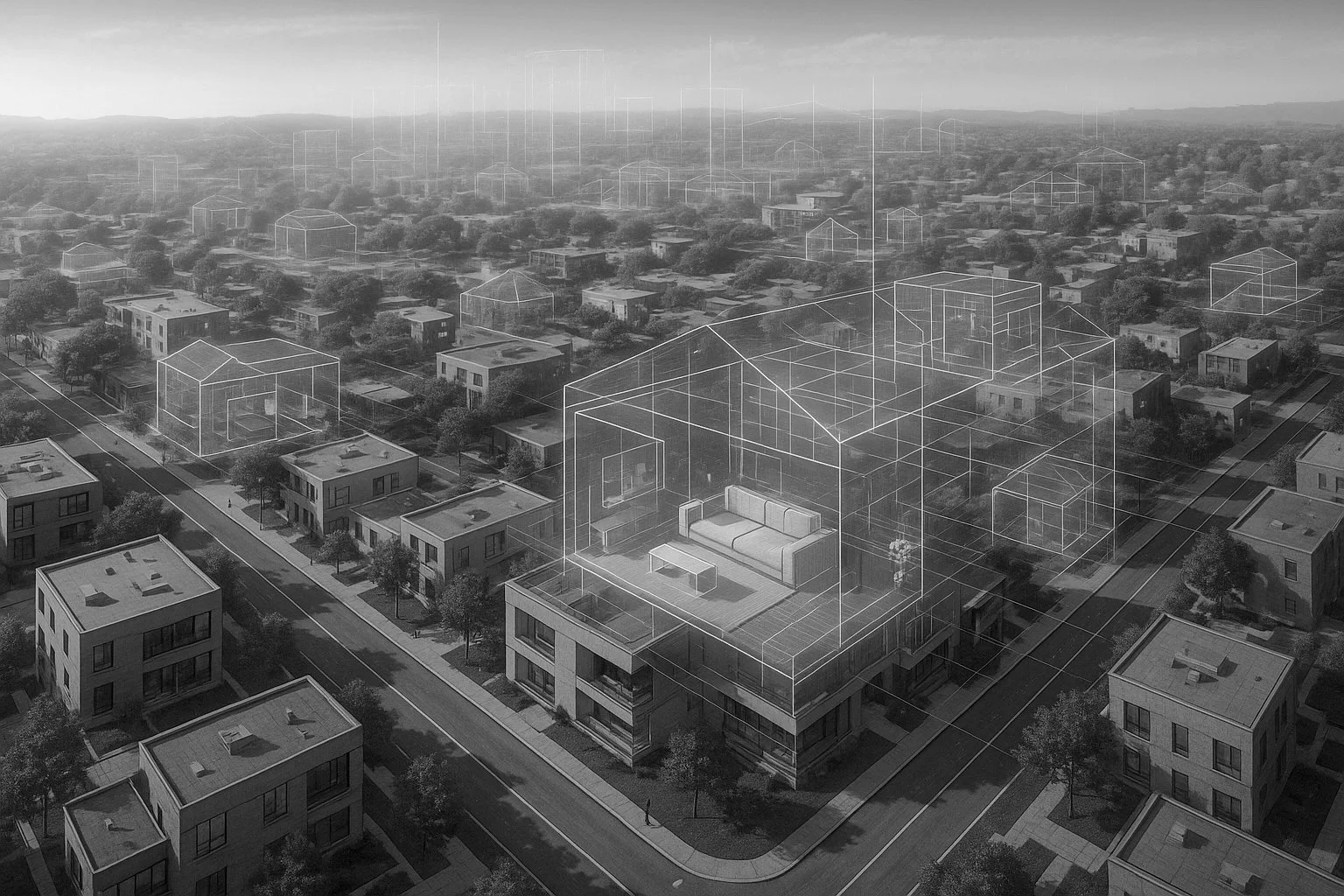
Building spatial and cultural intelligence will involve both gathering new information about how we utilize and move through the world as well as mining existing data sets that can help provide that information. This involves both examining data sets that are already being used to generate spatial intelligence that can guide digitally powered experiences and devices (i.e. warehouses, flight plans, shipping channels, etc.) as well as examining data sets that are currently offline, not structured in an actionable manner, and generally overlooked (i.e. archives, music catalogs, travel logs, visitor behavior, etc.). In doing so, it will be important to organize these sets as they relate to different types of space and their use in order to ultimately arrive at a better understanding of this union between space and use. Ultimately, this will allow for a latent tool that can be called upon in specific instances to guide action–ideally making such actions more efficient and sustainable. Given that our ultimate interest is in serving cultural producers, the data sets that we research will largely be those that we feel can benefit this community.
Research and White Papers
-
This would include data about our domestic habits and habitat. Examples include: discovery, purchase, moving, design, construction, maintenance of the home, and really all goods and services that make the house a home. It also includes data about personal style and taste, what items work together within a home, the value of those items, and how the home evolves over time. In addition, it would include data on activities that occur within the home, who lives in what types of homes, the valuation of those homes, and how value changes over time.
-
This would include data sets related to how we interact with a range of cultural products and services. Examples include: visiting a museum, theater, gallery, or restaurant as well as purchasing a work of art. In addition, it would include data on the types of cultural products, services, and experiences that attract more people, how people get to those experiences, and what they do after. More broadly, it would include archival data from cultural institutions and individuals that trace past habits of consumption, tastes, and modes of cultural production. Finally, it would include any data that could point to how to increase cultural consumption as well as the quality of that experience.
-
This would include data about how a range of different types of cultural elements are created with a particular eye towards spatial, logistical, and physical parameters. In this sense, it would be to look for data about how materials, craft, economy, manufacturing capabilities, tools, location, and labor come together to produce a particular practice. At the same time, it would ask how cultural elements are informed by their siting in the world through everything from lighting, temperature, and wind patterns to acoustics and the overall feel a place imparts on a visitor. Ultimately, this data should help to better understand the conditions that make culture possible, limits that might occur, and ways of improving conditions of production.
-
This would include how individuals and families travel to cultural experiences, where those experiences are located, and the cost of doing so. It would also include how people move through intermodal hubs, board travel vessels, behave on those vessels, and behave upon arrival. It would include how people interact with other passengers as well as the staff that is responsible for operating the travel experience. More broadly, it would encompass the variables and agents that must align to make the travel experience happen. It would ultimately include data that can be used to make that experience more efficient, cost effective, and enjoyable.
-
These data sets would be similar to those associated with domestic space, but be primarily tied to how people and families inhabit spaces temporarily while on vacation. On one hand, this would include design, construction, and maintenance while, on the other, it would include layout, use, and style preferences. It would range from boutique hotels to cruise ships and from rental properties to those that can accommodate a long term stay. Ultimately, it would seek to understand both preferences as well as the operational variables that make these space function.
-
This would include data about cultural elements ranging from magazines that include articles about homes, restaurants, performances, events, etc. to critical journals that explore the underlying concepts, themes, and value of a particular practice. These data sets would be instrumental in understanding what cultural elements are more valuable to a particular community as well as offering insight into how they are created. More broadly, it could play a role in incorporating a theory of how space is constructed and perceived into a model of spatial and cultural intelligence.
-
This would include data about how people are making purchases with a particular focus on the cultural sectors such as luxury goods, fashion, art, automobiles, home goods and services. It would, to a certain extent, intersect with data about domestic space, but would be focused more broadly across the consumer economy. It would also come to include data about the production and distribution of those consumer goods, the companies that make them, their unit economics, and the evolution of the products over time.

Call to Action
If you are working within one of these areas and have access to a data set that you think aligns, we would love to connect! We are actively building a repository of data while also embarking on the necessary steps to structure that data in such a way that it can be used to model space and culture. Ultimately, this data will play an essential role in the construction of the next generation of large world and large cultural models.