
Revivalism
Dates: 1840 to 1920s
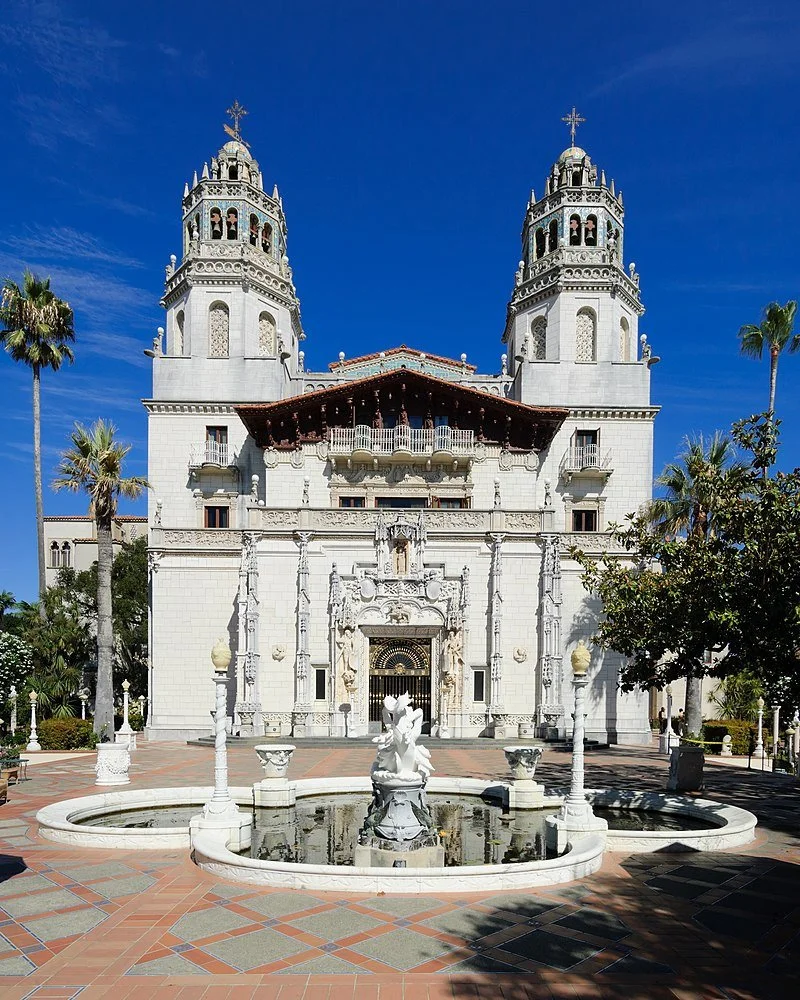
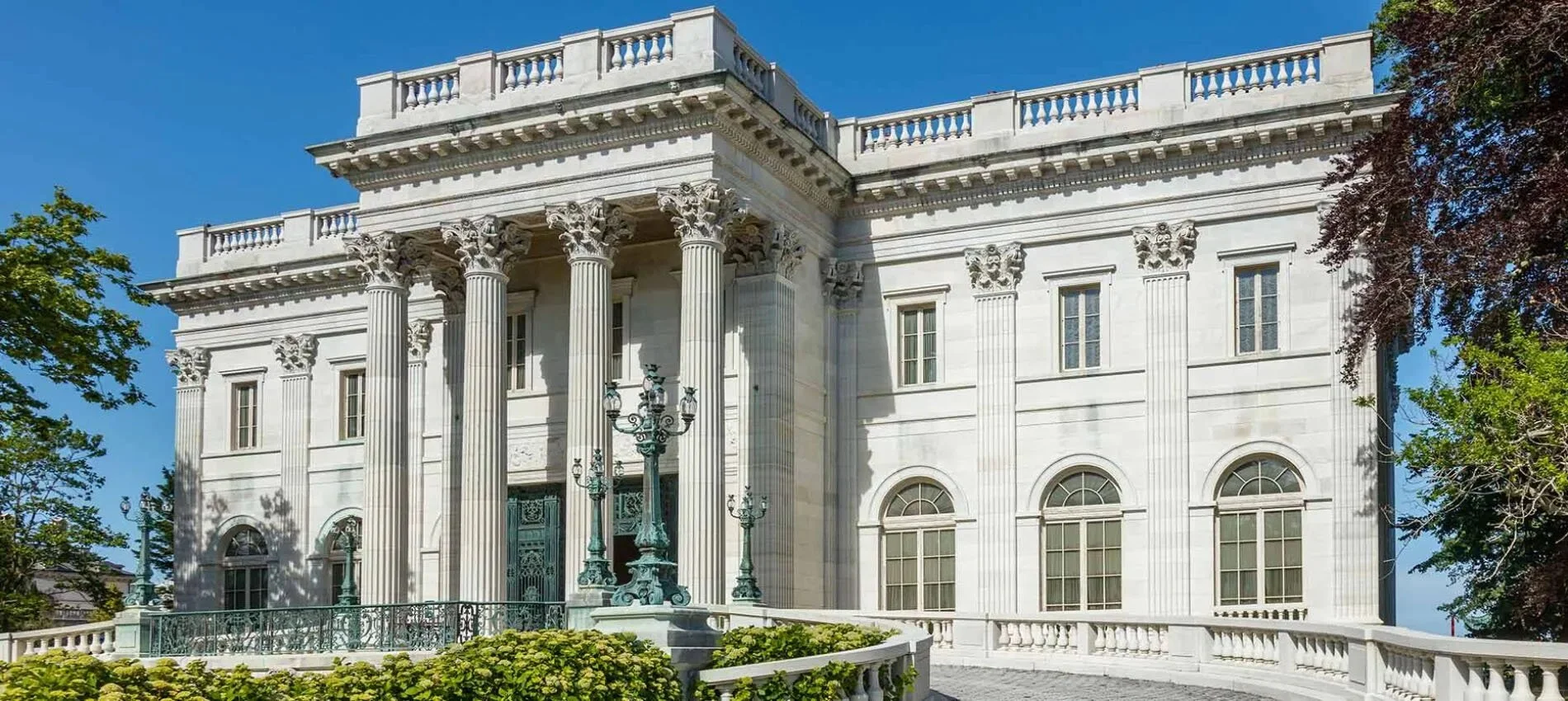
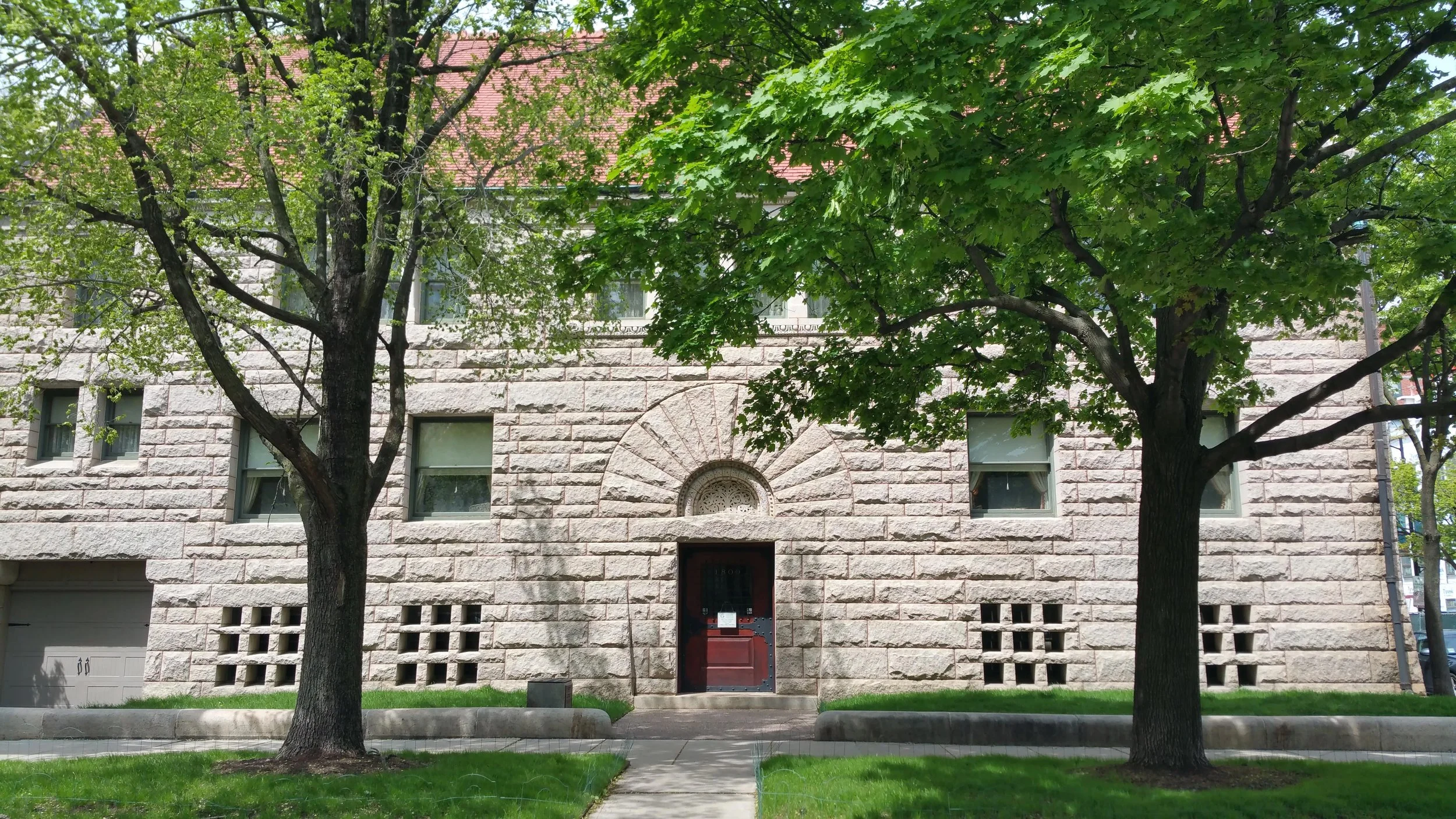
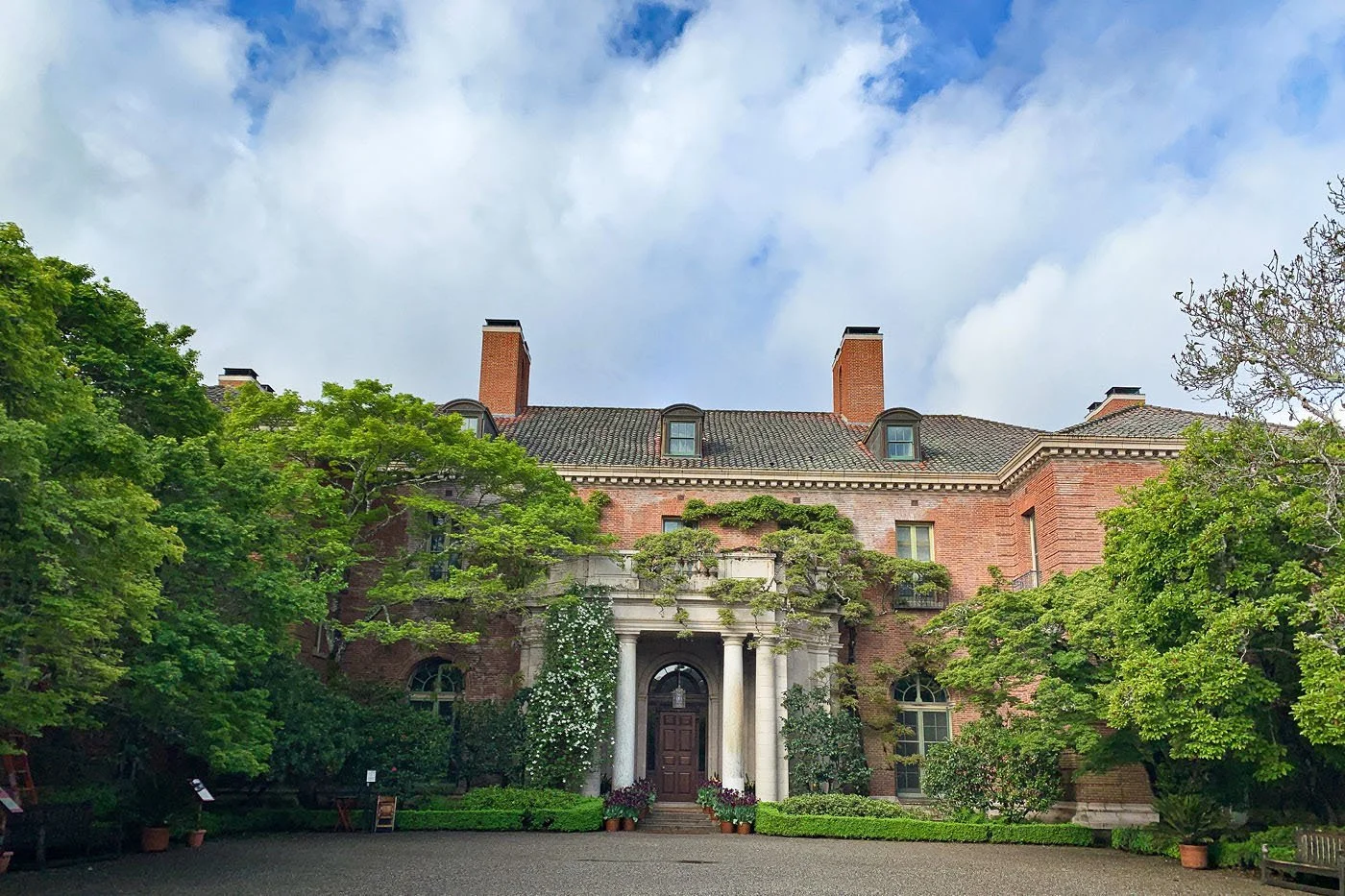
Examples: Beaux-Arts, Victorian, Gothic Revival, Georgian Revival, Romanesque Revival, Italianate, Renaissance Revival, Châteauesque, Mission Revival, Dutch Colonial Revival, Orientalism, and Spanish Revival
Description: This period marks a departure from strict classical forms, embracing greater diversity and complexity reminiscent of the shift to Baroque. Characterized by curves, ornamentation, and decadence, this era also saw the resurgence of earlier styles like Romanesque, Gothic, Moorish, Asian, Islamic, Mediterranean, and Spanish, offering a broad palette for showcasing the wealth generated by the Second Industrial Revolution, particularly in the United States. Each revival aimed to capture the essence and integrity of historical forms, often adapting them for modern use or national identity purposes. For example, Neo-Gothic emphasized romanticized medieval forms for churches and universities, while Greek Revival symbolized democratic ideals, especially in the United States. This trend resulted in diverse architectural expressions that responded both to nostalgia for traditional forms and the evolving technical capabilities of the time, such as the use of iron and steel.
-
These advances in industrial manufacturing expanded architectural possibilities and fueled growth in new building types that were central to this wealth. These included factories, department stores, office buildings, and infrastructure like train stations, post offices, and state capitols, creating the components of the 19th-century American city. This urban environment was characterized by rich consumer goods, luxurious fabrics, and decorative opulence, enhanced by gas and electric lighting. Meanwhile, private homes in desirable neighborhoods emerged as symbols of wealth and status. In some cases, the American elite began importing entire rooms and estates from Europe, preserving and repurposing these legacies to fill lavish homes. The results play a foundational role in shaping modern notions of luxury and influencing those who today favor traditional styles over modernist approaches.