
Mid-Century Modern
Dates: 1950s to late 1970s
Examples: Scandinavian Modern, Atomic Age, California Modern, Brazilian Modern, Tiki or Polynesian Pop, Japanese-Inspired Modern
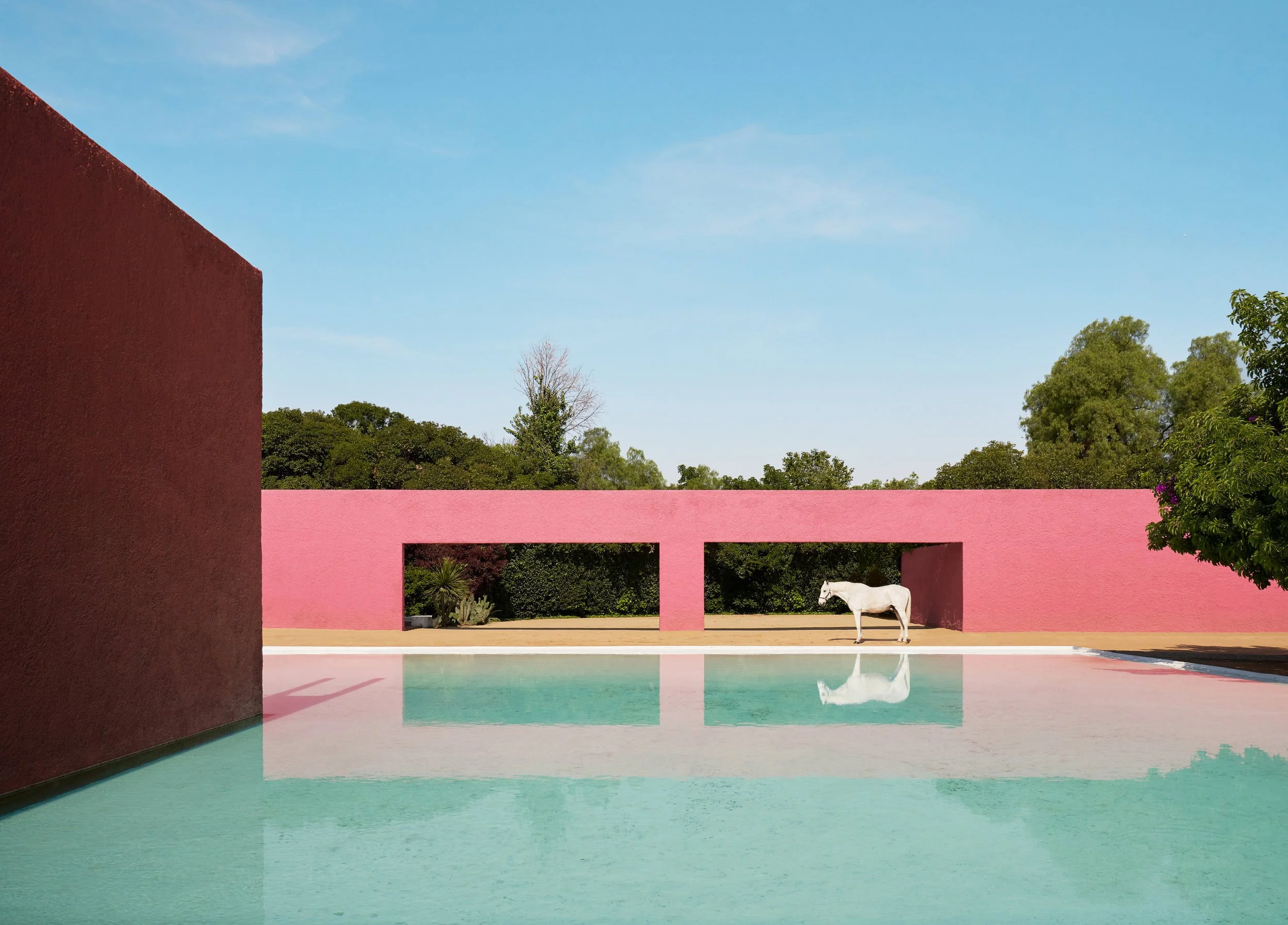
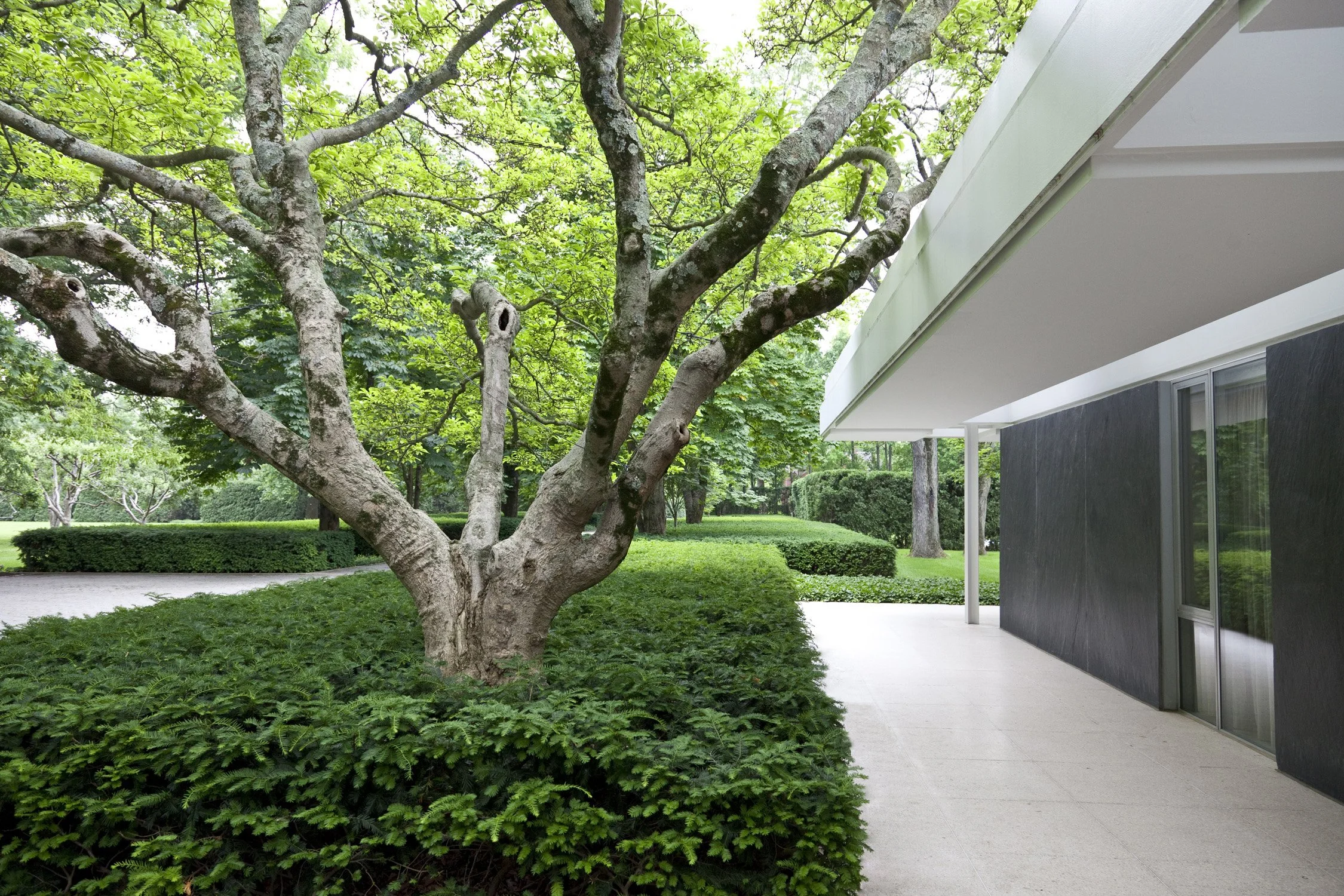
Description: Mid-century modern architecture emerged in the post-World War II period, shaped by the demand for housing for returning soldiers, the need to rebuild cities, and the growth of consumer culture that viewed the home as a functional “machine for living.” This style softened the more austere aspects of high modernism, moving from glass and steel to materials like brick and wood, and integrating warmer colors and textures. Mid-century homes typically emphasized simplicity, functionality, and a connection to the outdoors, often with large windows and open layouts centered around a fireplace.
This era introduced new materials from wartime innovations, such as molded plastic, fiberglass, and glulam (glued-laminated) wood. Homes often featured single-story designs, with low, horizontal lines that blended into their suburban settings. Carports or garages became common, reflecting the car’s increasing role in American life. Expanding suburbs were organized around community centers, country clubs, shopping malls, and services like drive-ins that supported the suburban lifestyle.
-
Mid-century modern architecture was also influenced by international styles, with regional adaptations in Europe, Latin America, Africa, and Australia, all while corporate architecture embraced the clean lines of the International Style.
During this time, there was also a forward-looking, futuristic optimism that often intersected with environmental concerns, particularly during the oil crisis of the 1970s. This style not only defined residential architecture but also impacted corporate and public buildings, creating spaces that reflected the social and economic aspirations of a rapidly changing world.