
Contemporary
Dates: Late 1970s to present
Examples: Post-Modern, Deconstructivism, Futurism, Eclecticism, Industrial Chic, Adaptive Re-Use, Green Building, Ecological, Organic, Parametric
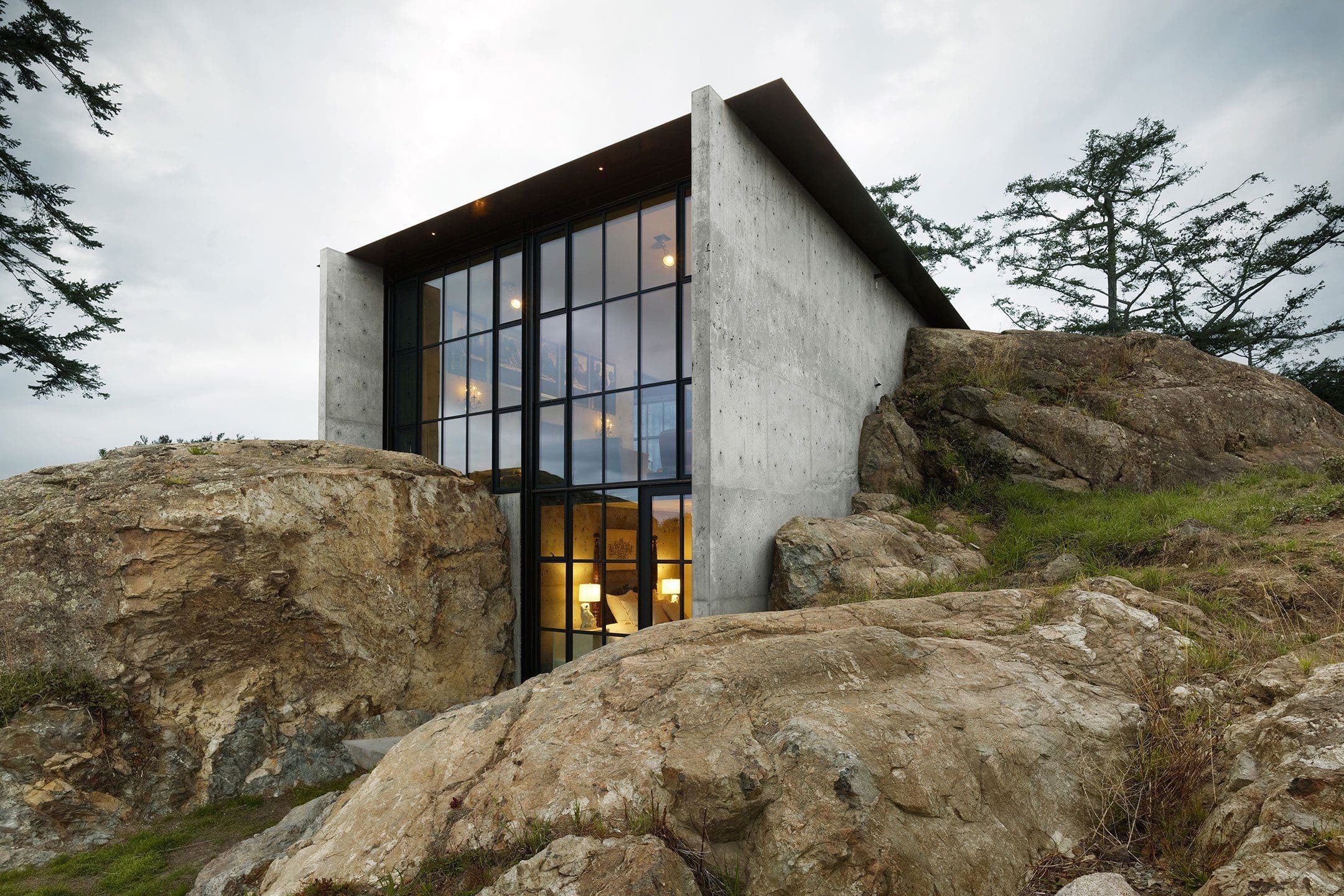
Description: Contemporary architecture emerged as a complex movement of diverse styles and philosophies that respond to and critiqued the legacies of modernism and mid-century modernism. As architecture of the mid-20th century gave way to the late-20th and 21st centuries, designers sought to address the perceived monotony and lack of human connection in modernist architecture, often seen as overly functional and detached. This response led to a vibrant field that blended historical reference with modern construction techniques. Many contemporary architects, drawing from postmodern critique, reintroduced classical forms, Renaissance-inspired proportions, rich colors, and symbolic materials, while others turned to structuralism and post-structuralism, creating buildings that appear dynamic, as if in a state of formation or deconstruction.
Alongside this stylistic evolution, contemporary architecture has become more programmatically versatile, often combining multiple functions within a single structure—such as blending commercial, residential, and cultural spaces.
-
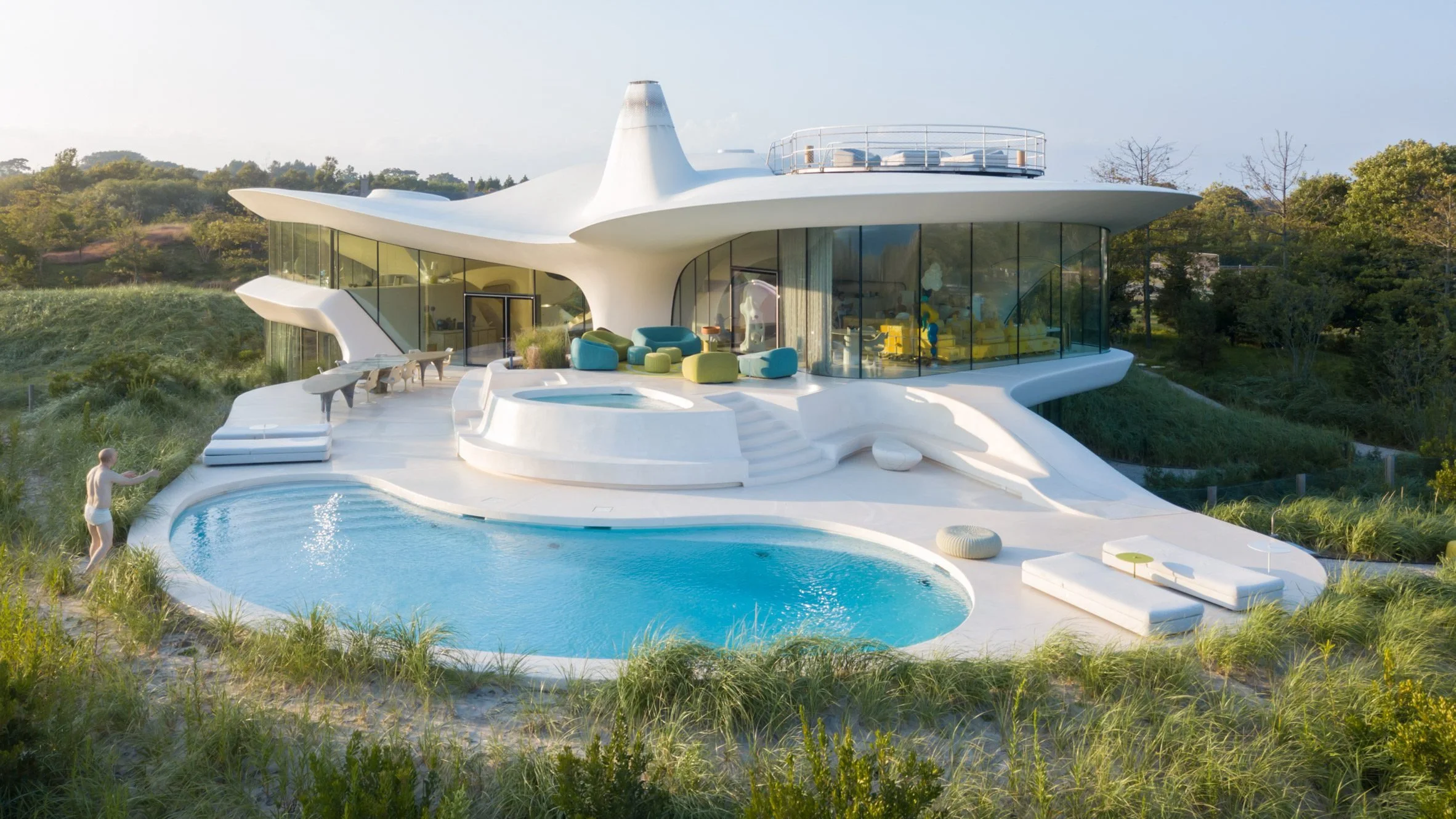
These hybridized spaces are part of an effort to foster connectivity and adapt architecture to the demands of a fast-paced, urbanizing world. Technology has played a pivotal role in this era, with advances in CAD (computer-aided design) enabling highly detailed documentation and precision in calculating structural loads and material performance. Parametric design, in particular, has allowed architects to experiment with organic forms, intricate patterns, and unique geometries, while digital fabrication techniques such as CNC milling and 3D printing have opened new doors for mass customization and structural innovation.
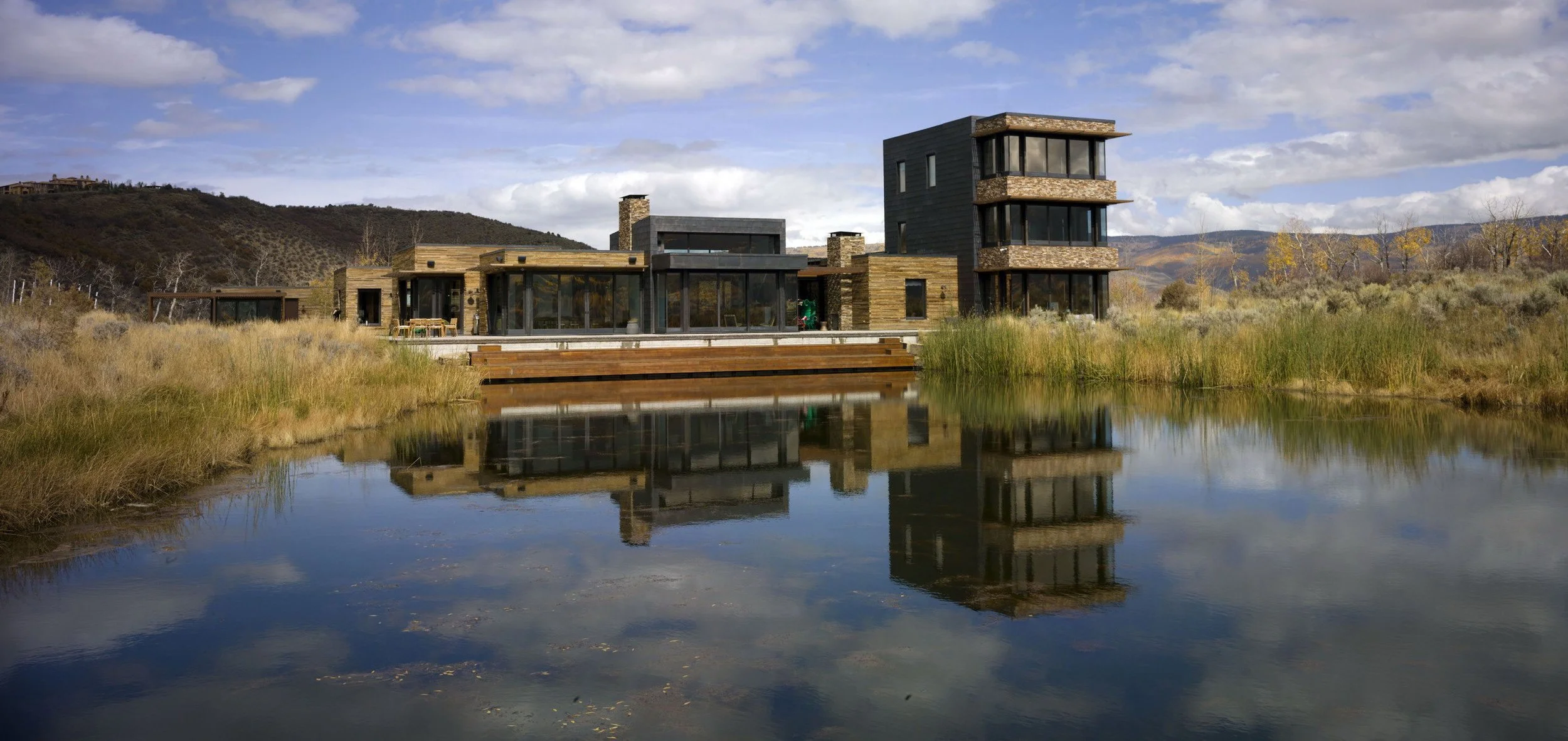
Contemporary architecture also reflects a heightened awareness of sustainability and the environment. This is often achieved through certifications like LEED, which promote energy efficiency and sustainable material usage. Buildings are increasingly designed with a human-centered approach, aiming to enhance the user experience, well-being, and ecological impact of urban spaces. The rise of “starchitects”—prominent figures who bring signature styles and personalities to their designs—has added an additional layer to contemporary architecture, blending form, functionality, and artistic identity. This has been fueled by globalization, advances in material technology, and an international marketplace eager for new forms and expressions. As a result, contemporary architecture continues to evolve, merging tradition and innovation into spaces that are as functional as they are expressive.
In addition, the development of contemporary architecture also coincides with rapid growth and expansion of the international art market for modern and contemporary art. This market provided an expanded route by which newly wealthy individuals could invest excess capital and led to the creation of a number of significant collections. These collections drove the need to build a set of iconic homes to showcase these collections and were, in many ways, themselves works of art. As these patrons aged and sought to cement their legacy, many turned towards cultural institutions to house their collections of artwork. In some cases, this also involved commissioning new wings that showcased the very best of contemporary architecture.