

Project: Intelligence Lab
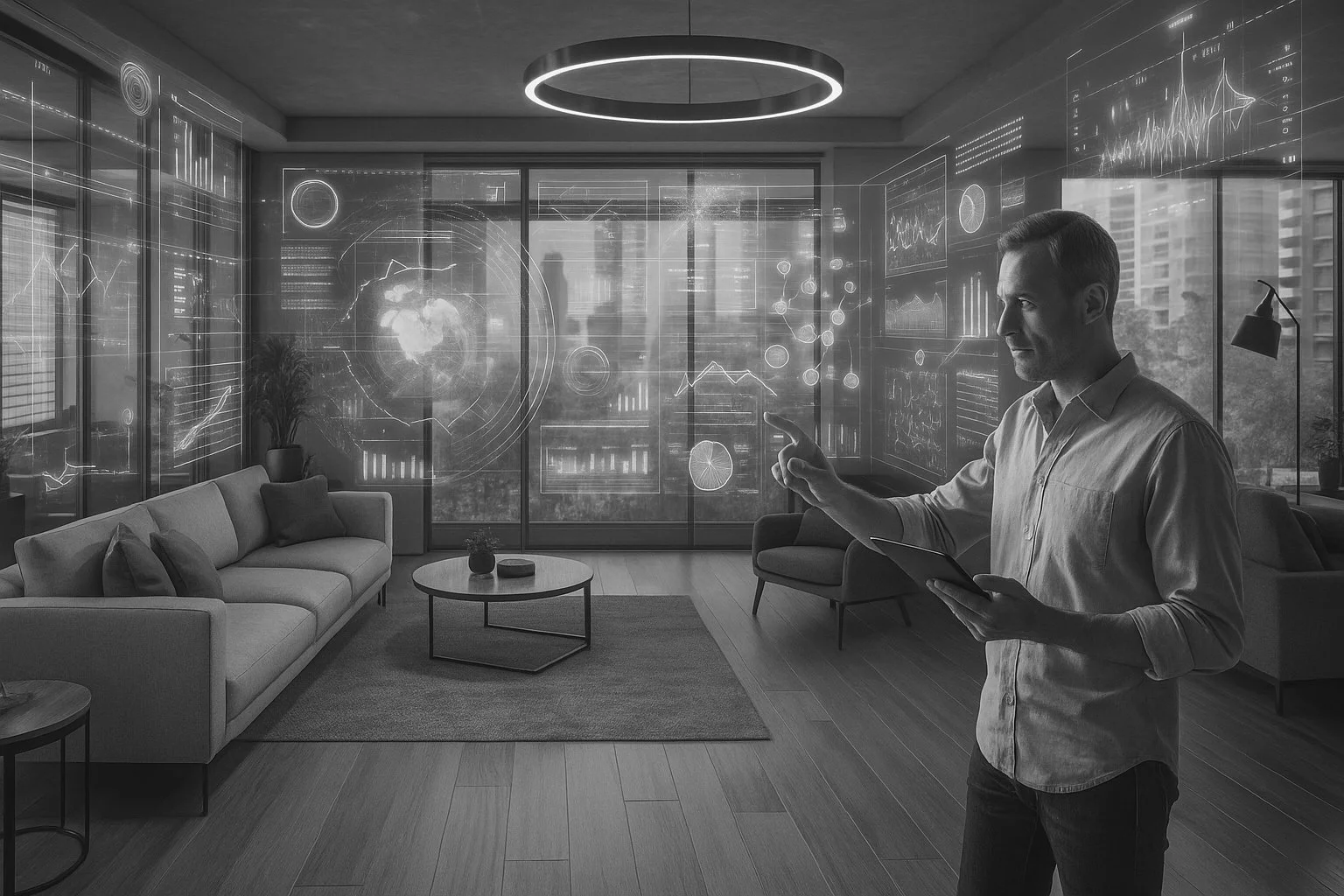
In order to move beyond the era of large language models, we need to collect and structure data about the physical world in which we live. This is currently occurring across a range of locales–from warehouses utilizing robots and roadways navigated by driverless cars to digital personal assistants, smart devices, and wearables. It is also occurring in university and corporate laboratories where controlled experiments are being run and new learning algorithms are being developed. We propose bringing these efforts together as a network and data sharing initiative. At the same time, we propose designing an ideal lab that would be capable of collecting an even wider range of data about our habits and habitat. Such a design would then make it possible to understand what data collection initiatives are already occurring and what gaps need to be filled in.
While this lab could be very broadly conceived–capable of developing spatial intelligence about how we work, live, stay healthy, travel, etc.–it is important for us that it remain focused on the intersection of spatial and cultural intelligence. This is due, in part, to the belief that true spatial intelligence needs to incorporate a cultural dimension. We don’t just need to know how a space is being used, but why it is used in a particular manner, who uses it in this way, what their motivations are, and how they might change over time. As a result, we propose grounding this lab in spaces of cultural production and consumption. In order to limit the initial scope of this research, we will begin with the domestic sphere, the theater, the gallery, and the studio.
Developing spatial intelligence around the domestic would involve creating a space that can simulate the range of challenges that face the home–from decorating and renovation to operations and maintenance. This research would then extend to how we discover and move between homes across phases of life and to how this spatial and cultural intelligence might assist in the process. At the same time, it would involve developing intelligence around how all the things–artwork, home decor, fixtures, building materials, tools, etc.–that support the home are fabricated, shipped, and delivered. Doing so would begin to create a more holistic picture of how all of these forces interact so as to streamline the process.
Building on the approach to the domestic sphere, the lab will seek to understand how cultural production and consumption occur in the theater, gallery, and studio. This will involve understanding the information that exists within these spaces but that often remains latent. This includes all of the past catalogues, recordings, archives, artist contracts, ticket sales, and programming. It also includes the cultural norms about dress, behavior, expectations, and broader relationship to the cultural product. It will also involve understanding the logistics of producing the cultural product. This includes everything from shipping materials, utilizing tools, teams of assistants, professional support staff, contracts, pricing and fee structures, ticket sales, product sales, operations, security, maintenance, travel, insurances, boards of directors, endowments, and really everything that goes into making these spaces function.
A significant component of this work will involve building the community of stakeholders in this distributed lab that ranges across modes of cultural production. This role will involve both bringing together the network, developing funding sources, and creating a compensation structure. This will likely involve creating an association of members that pay an annual fee in exchange for the ability to benefit financially from commercialization and licensing of any of the IP that emerges from the lab–with The Woodlawn Initiative likely retaining an ownership stake to support ongoing research projects. The number of members would likely be capped to prevent broad dilution of profits from licensing while also eventually creating a route by which a member could sell their stake in the initiative. Ideally, they would range from cultural producers to incumbent digital technology companies.
Product Documentation
-
This would involve discovering where research is currently occurring and then opening a line of communication between these spaces. It would also involve identifying the key individuals who can serve as a bridge and who will ultimately play a significant role in any commercialization efforts that might occur.
-
This would be a design document that structures how a lab would operate across domestic, theater, gallery, and studio spaces. It would specify the type of equipment required to gather data, how this data would be structured, and then what intelligence would be gleaned. Finally, it would identify the range of tasks that the cultural and spatial intelligence should provide and then create a framework for carrying out the experiments. It would also develop a cost structure for this research and a broader business plan to sustain this research–including potential commercialization routes through member organizations.
-
This would essentially be the results of the experiments being run in the lab. It would be published on a quarterly basis to members and made publicly available as merited.

Call to Action
We are actively looking for collaborators who are capable of building and operating this lab. At the same time, we are eager to connect with the organizations that are already conducting this research and the cultural producers who have spaces, archives, collections, and challenges that could benefit from enhanced spatial and cultural intelligence. Ultimately, we hope this research will make these organizations more efficient, their cultural products more accessible and sustainable, and the overall cultural experience for the consumer richer and more rewarding.